
Rhinoplasty
(Nose Reshaping Surgery)
Rhinoplasty reshapes the nasal framework while balancing appearance, structural support, and, when relevant, breathing function. The goal is not to give every patient the same nose. It is to refine the bridge, tip, width, projection, symmetry, or airway-supporting structures in a way that fits the rest of the face.[1]

What rhinoplasty can change.
Rhinoplasty can modify nasal bone, cartilage, soft tissue, and support structures that determine shape and airflow. Some patients want cosmetic refinement; others have post-traumatic deformity, septal deviation, nasal-valve compromise, or another structural problem affecting breathing. A single operation may include both cosmetic and functional goals.[1]
Good planning considers the nose from the front, profile, three-quarter view, and base. A change that looks attractive from one angle but disrupts proportion from another is not a balanced result.
Adonis performs rhinoplasty at our Torrance surgical facility for patients throughout Redondo Beach, Long Beach, Palos Verdes, Manhattan Beach, El Segundo, San Pedro, Gardena, Carson, and the greater South Bay and Los Angeles area.
The nose should fit the face, not advertise the operation.
A strong rhinoplasty result is not defined by making the nose as small, narrow, or upturned as possible. The bridge, tip, nostrils, upper lip, chin, forehead, and overall facial proportions have to work together.
This is particularly important when patients bring reference photos. A nose that looks excellent on another face may not fit your skeletal structure, skin thickness, cartilage strength, ethnic background, or breathing anatomy.
The goal is a nose that looks more balanced and refined while remaining believable as part of your face. Modern evidence supports multiple structural strategies, including preservation and conventional reduction techniques, with technique selection driven by anatomy rather than marketing language.[4]
Different concerns require different structural changes.
Bridge & hump refinement
A dorsal hump can be reduced while preserving enough structural support and a profile that fits the forehead, lips, and chin.
Tip rhinoplasty
Tip surgery may address bulbosity, asymmetry, drooping, over-projection, under-projection, or poor definition. Tip changes continue settling longer than the bridge.
Wide nose or nostril reduction
Nasal width can come from the bones, tip cartilages, alar base, or several areas at once. Alar-base reduction is only appropriate when nostril width itself needs treatment.
Crooked nose correction
A visibly crooked nose may involve bone, cartilage, septum, prior injury, or uneven soft tissue. Straightening often requires structural work rather than cosmetic filing alone.
Male rhinoplasty
Male nose surgery follows the same functional principles while respecting the bridge, tip, profile, and facial proportions the patient wants to preserve.
Ethnic rhinoplasty
This term describes individualized nose surgery that respects a patient's inherited anatomical features and identity. There is no single technique or aesthetic target for any ethnic group.
The approach is chosen for access and control, not because one is universally better.
Both open and closed approaches can reshape the nasal framework. The important difference is access, visualization, incision placement, and which maneuvers are needed for the individual anatomy; neither approach is automatically superior for every patient.[2]
Open rhinoplasty
Open rhinoplasty adds a small incision across the columella between the nostrils, allowing the nasal skin to be elevated for direct visualization of the cartilage and bone.
- Useful when extensive tip work or structural reconstruction is needed
- Provides wide exposure for asymmetry, grafting, or revision work
- Creates a small external columellar scar in addition to internal incisions
- Can involve more early tip swelling
Closed rhinoplasty
Closed rhinoplasty keeps the surgical incisions inside the nostrils. It can be highly effective when the planned changes can be performed with adequate control through an internal approach.
- No external columellar incision
- Useful for selected bridge, bone, cartilage, and tip changes
- Not automatically appropriate for every complex or revision case
- Technique choice depends on anatomy and surgeon judgment
When the primary goal is appearance.
Cosmetic rhinoplasty changes visible nasal shape, proportion, or symmetry. Common goals include reducing a hump, refining the tip, narrowing the nose, correcting visible crookedness, altering projection, or improving how the nose balances with the rest of the face.
Purely cosmetic nose surgery is generally self-pay. Even when a patient also has breathing concerns, the cosmetic portion of a combined operation may remain the patient's financial responsibility.
When breathing and structure matter too.
Functional nasal surgery is intended to improve airflow when structural anatomy contributes to obstruction. Depending on the diagnosis, treatment may involve the septum, nasal valves, turbinates, supporting cartilage, post-traumatic deformity, or a combination. Systematic-review evidence shows meaningful improvement in validated obstruction and quality-of-life measures after functional rhinoplasty.[3]
Septoplasty straightens or corrects the nasal septum. Septorhinoplasty combines functional internal correction with rhinoplasty when both internal function and external nasal structure need to be addressed.
Could insurance help cover part of your nose surgery?
Possibly, when the procedure includes a medically necessary functional component. Coverage is plan-specific, documentation requirements vary, and no approval can be promised before your insurer reviews the case.
Insurance is generally more relevant when nasal surgery is being considered because of documented breathing obstruction, structural deformity, trauma, septal deviation, nasal-valve problems, or another reconstructive concern. Purely cosmetic changes are typically not covered.
- Your plan may require documentation of nasal obstruction, symptoms, examination findings, prior treatment, or preauthorization.
- A functional procedure such as septoplasty or functional septorhinoplasty may be evaluated differently from cosmetic reshaping.
- If cosmetic and functional work are performed together, the cosmetic portion may remain self-pay even if a functional portion is authorized.
- Deductibles, copays, coinsurance, network rules, exclusions, and authorization requirements depend entirely on your policy.
- Adonis can help you start the process and understand what needs to be checked, but your insurer makes the final coverage decision.
Want us to help you figure out what to check?
Text our team first. We can help determine whether your concern sounds cosmetic, functional, or mixed and tell you what insurance information may be needed for the next step.
TEXT US ABOUT INSURANCEGood candidates have a clear goal and anatomy that can support it.
Facial growth is complete
For younger patients, surgery is generally delayed until nasal and facial growth are sufficiently mature and the surgeon confirms the timing is appropriate.
Breathing is evaluated, not ignored
Even patients seeking purely cosmetic changes should be assessed for nasal obstruction because changing support structures can affect airflow.
Expectations are realistic
Computer imaging and reference photos can help communicate goals, but they are planning tools rather than guarantees of an exact postoperative shape.
How rhinoplasty is planned and performed.
The surgeon evaluates the nose from multiple angles, examines the septum and airflow when function is a concern, and considers skin thickness, cartilage strength, facial proportions, asymmetry, prior trauma, previous filler or surgery, and the result you want.
The operation may involve bone reshaping, cartilage reduction or grafting, tip suturing, septal correction, nasal-valve support, alar-base work, or a combination. The exact technique depends on the anatomy rather than a standardized “nose job” recipe.
Analyze shape, structure, and breathing
Your surgeon reviews the bridge, tip, nostrils, septum, nasal valves, symmetry, skin thickness, profile balance, prior injury, previous procedures, and breathing symptoms.
Choose open or closed access
The incision approach is selected according to the amount of exposure needed for tip work, grafting, bone changes, septal correction, asymmetry, or revision complexity.
Reshape while preserving support
Bone and cartilage are reduced, repositioned, sutured, reinforced, or grafted according to the plan. Functional structures are addressed when needed.
Splint, protect, and follow swelling over time
A nasal splint or internal support may be used depending on the operation. Follow-up focuses on healing, airway function, swelling, scar care, and gradual return to normal activity.
Whether your priority is a hump, tip shape, nostril width, crookedness, breathing, or a combination, the first step is determining which structures actually need to change and which should be preserved.
REQUEST MY CONSULTATIONLook at the whole face, not just the nose.
A strong result should make sense from the front, profile, three-quarter view, and base. Look for facial balance, smooth bridge lines, tip definition that fits the skin thickness, nostril symmetry, preservation of support, and a nose that still belongs to the patient.
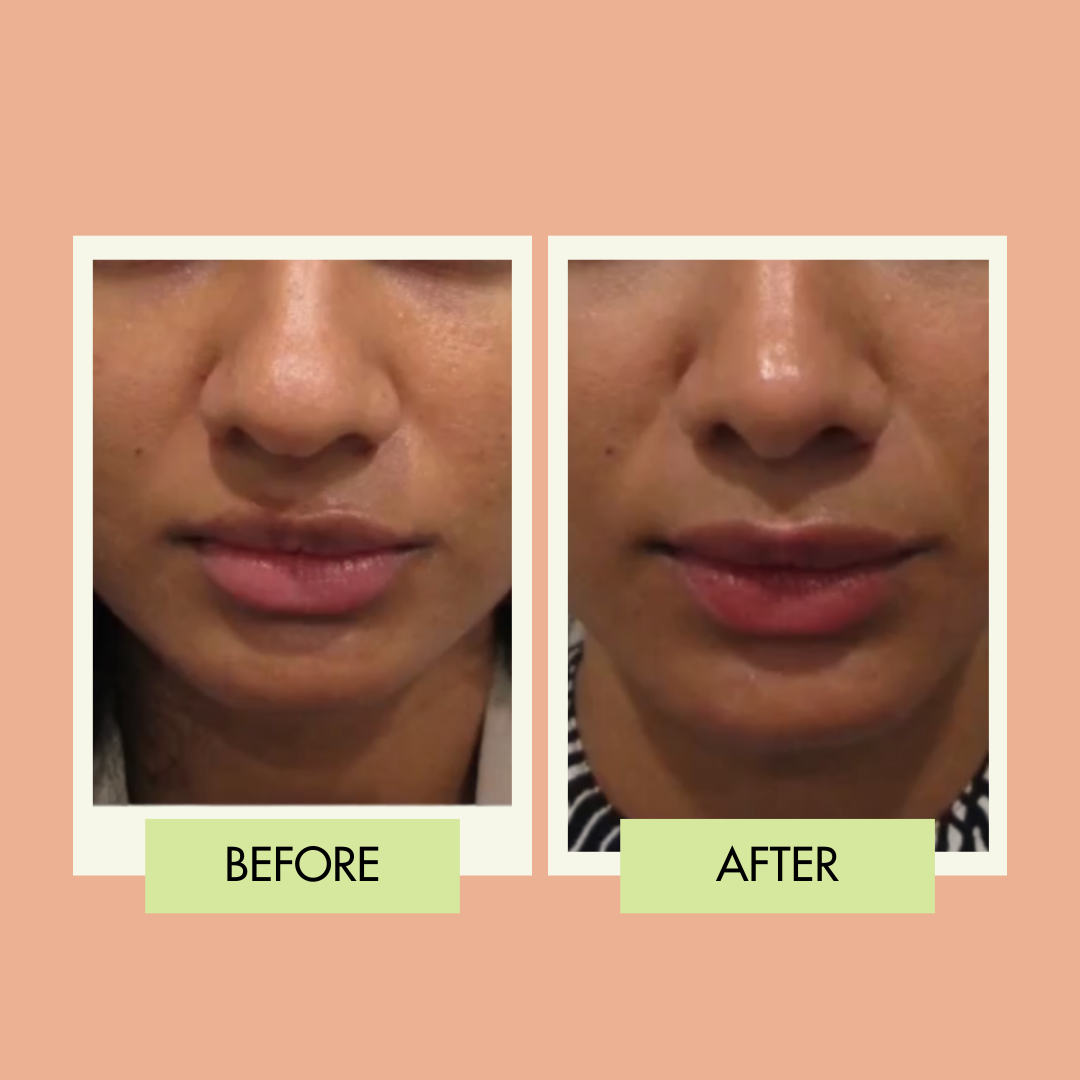
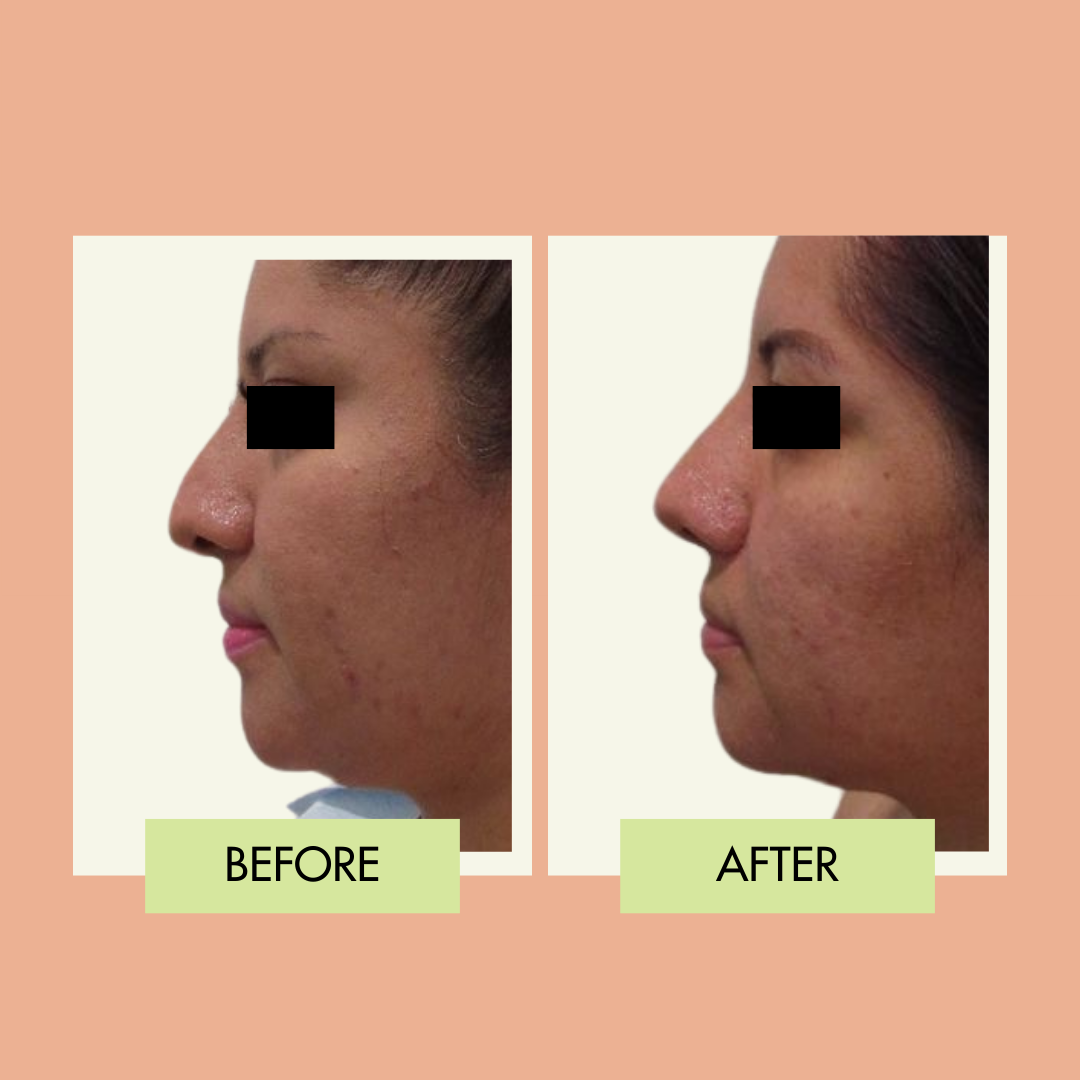
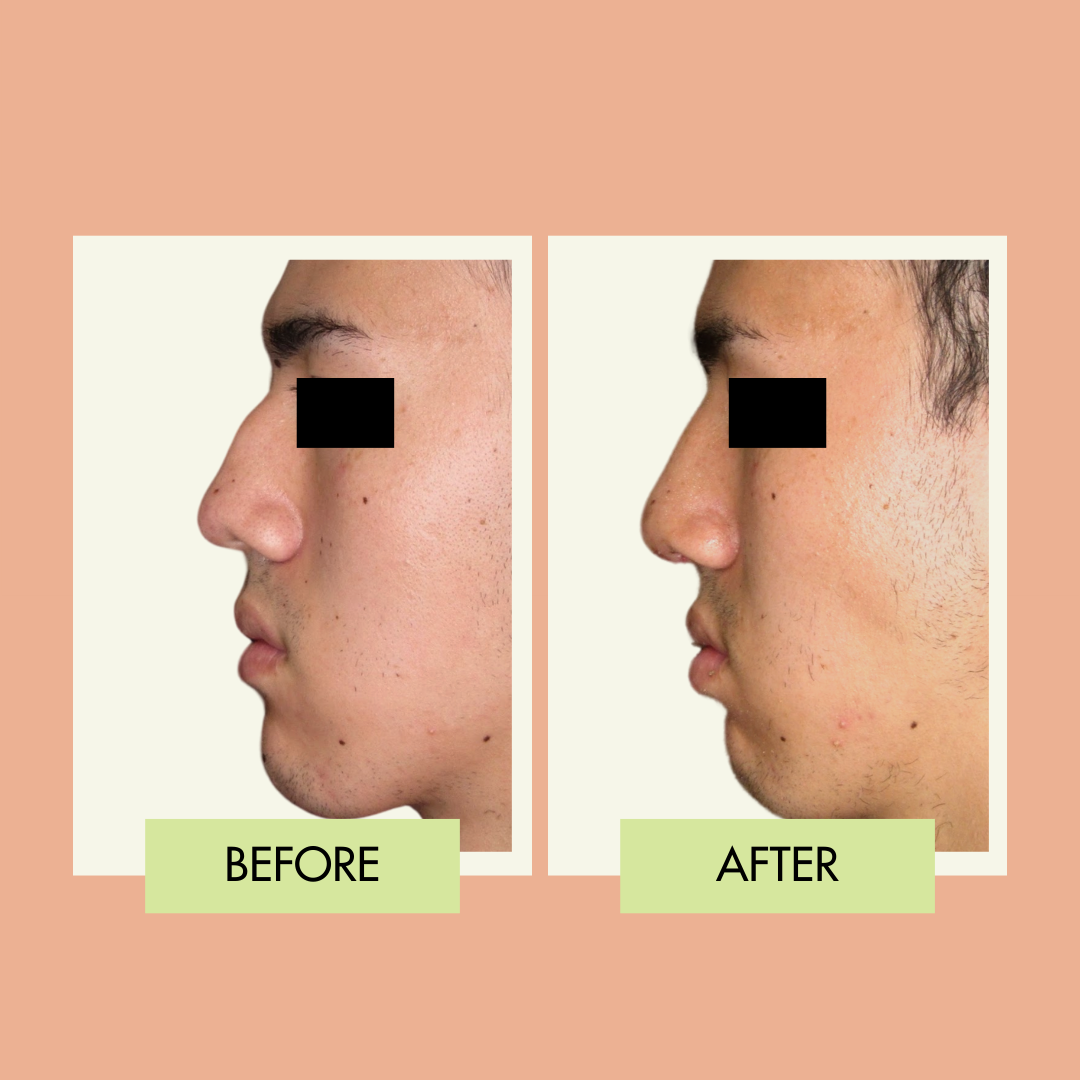
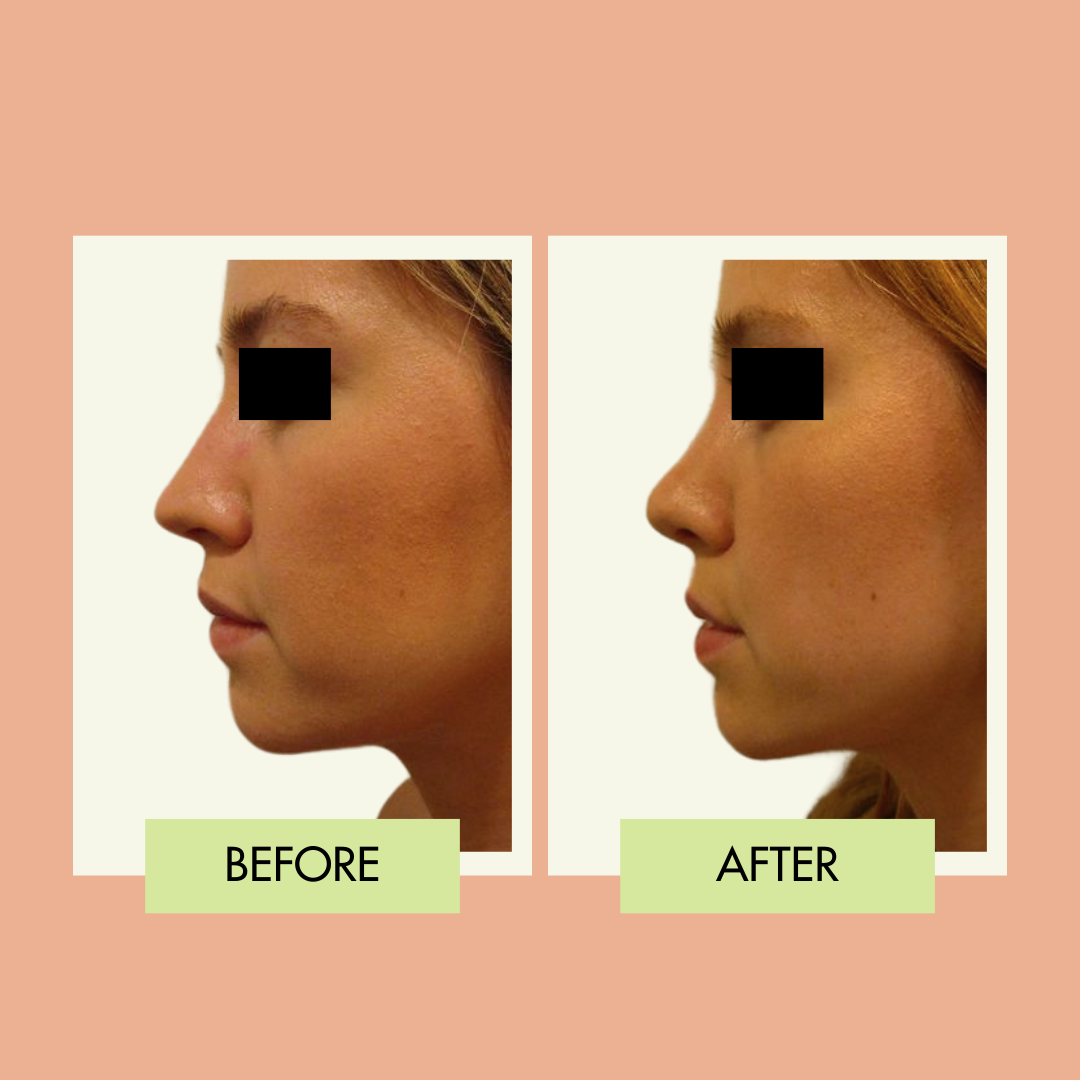
Individual results vary. Photos are shared with patient consent. Skin thickness, cartilage, bone structure, asymmetry, breathing anatomy, technique, swelling, scar tissue, and healing affect the final result.
Rhinoplasty changes both appearance and structural anatomy.
Potential complications include bleeding, infection, anesthesia complications, scarring, asymmetry, persistent swelling, numbness, contour irregularity, dissatisfaction with appearance, breathing difficulty, septal perforation, skin or tissue injury, and the possibility of revision surgery.[6]
Every maneuver has trade-offs. Reducing a hump changes the relationship between the bridge and tip. Narrowing the nose affects the bony sidewalls and internal airway. Tip refinement must preserve enough cartilage and support to avoid a pinched or unstable result.
The safest plan is the amount of change that improves the concern while preserving structural support, breathing, skin viability, and a believable relationship to the rest of the face.
Secondary nose surgery is a different level of planning.
Revision rhinoplasty may be considered when a previous operation left persistent cosmetic concerns, breathing problems, asymmetry, excessive reduction, scar-related distortion, or structural weakness. It is usually more complex than primary surgery because anatomy and tissue planes have already been altered.
Scar tissue, weakened or missing cartilage, previous septal work, and altered support can change both the surgical plan and the predictability of healing.
A revision should begin with understanding why the current nose looks and functions the way it does, not simply repeating the first operation.
The splint comes off early. The nose keeps changing for months.
Bruising, swelling, congestion, stiffness, numbness, and temporary asymmetry are expected early. Many patients look socially presentable within one to two weeks, but the final nose is not visible at that point. Swelling continues to refine for months, especially in the tip and in thicker skin.[5]
Splint, congestion, bruising
Head elevation, gentle care, avoiding pressure on the nose, and following medication and cleaning instructions are the priorities.
Early social recovery
The external splint is commonly removed during early follow-up. Bruising improves significantly, though the nose remains swollen and firm.
Shape becomes more recognizable
Bridge swelling falls faster than tip swelling. Exercise and normal activity return gradually after surgeon clearance.
Final refinement
Subtle swelling continues resolving, especially in the tip and in thicker skin. Revision cases can take even longer to settle.
For more detail on possible complications and healing, read Adonis's rhinoplasty risks and recovery guide. Patients comparing surgeon backgrounds can also review our guide to choosing a rhinoplasty specialist.
Rhinoplasty planning and follow-up connected to one Torrance surgical practice.
Adonis Plastic Surgery is a QUAD A-accredited outpatient surgical facility at 2557 Pacific Coast Highway, Torrance, CA 90505. Consultation, facial and nasal analysis, surgical planning, surgery-day care, and postoperative follow-up are coordinated through the Torrance practice.
We serve patients throughout Torrance, Long Beach, Redondo Beach, Palos Verdes, Rolling Hills Estates, Lomita, Harbor City, San Pedro, Gardena, Carson, Manhattan Beach, El Segundo, and the greater South Bay. Practical rhinoplasty planning includes transportation, splint care, sleeping position, work and social timing, glasses, exercise restrictions, and access to the surgical team while swelling and breathing continue to change.
Rhinoplasty cost in Torrance and Los Angeles.
Price depends on whether the surgery is primary or revision, cosmetic or functional, open or closed, the amount of tip or bone work, grafting needs, septal or nasal-valve correction, anesthesia, and facility requirements.
Rhinoplasty at Adonis
$7,000 – $13,500This is the current published Adonis range for rhinoplasty. Your final itemized quote is based on the actual surgical plan, complexity, anesthesia, facility requirements, and whether functional or revision work is included.
Financing & functional coverage
Qualified patients may use available payment-plan options for eligible self-pay surgical costs. If the operation includes a potentially covered functional component, insurance and self-pay portions may need to be evaluated separately.
VIEW PAYMENT PLANSFor current published surgical ranges, see the Adonis plastic surgery pricing guide. Insurance approval, if applicable, does not automatically eliminate deductibles, copays, coinsurance, exclusions, or patient responsibility for cosmetic work.
Common questions about nose surgery, breathing, recovery, cost, and insurance.
What is rhinoplasty?
Rhinoplasty is surgery that reshapes the nasal bone, cartilage, soft tissue, and support structures to change appearance, improve function, or both. Patients commonly call it a nose job or nose reshaping surgery.
What can a nose job change?
Rhinoplasty can address a dorsal hump, bridge width, tip shape, projection, rotation, nostril size, nasal width, crookedness, asymmetry, post-traumatic deformity, and selected functional breathing problems.
What is the difference between cosmetic and functional rhinoplasty?
Cosmetic rhinoplasty is performed primarily to change appearance. Functional rhinoplasty is performed to improve nasal airflow or correct structural problems affecting breathing. A single operation can include both cosmetic and functional goals.
What is septorhinoplasty?
Septorhinoplasty combines rhinoplasty with correction of the nasal septum when both external nasal structure and internal septal anatomy need treatment. The exact functional work depends on the cause of obstruction.
What is the difference between rhinoplasty and septoplasty?
Rhinoplasty changes the external and/or structural shape of the nose. Septoplasty specifically corrects a deviated or deformed nasal septum to improve the internal airway. They can be performed together when both problems are present.
Can rhinoplasty improve breathing?
Yes, when breathing problems are caused by structural nasal obstruction that can be corrected surgically. Functional treatment may involve the septum, nasal valves, supporting cartilage, turbinates, trauma-related deformity, or several structures together.
Will insurance cover rhinoplasty?
Purely cosmetic rhinoplasty is generally not covered. A medically necessary functional or reconstructive component may be considered by some plans when documentation and authorization requirements are met. Coverage is plan-specific and cannot be guaranteed.
How do I find out whether insurance may cover my rhinoplasty?
Start by identifying whether you have a functional concern such as nasal obstruction, a deviated septum, valve collapse, or a post-traumatic deformity. Adonis can help you understand what needs to be evaluated and what insurance information may be needed, but your insurer makes the final coverage decision.
Can insurance cover the functional part while I pay for cosmetic changes?
That can occur in some cases. A plan may consider a medically necessary functional component while cosmetic changes remain self-pay. How costs are separated depends on the insurer, authorization, surgeon, facility, and exact operation.
What is open rhinoplasty?
Open rhinoplasty uses internal nasal incisions plus a small incision across the columella between the nostrils. This gives the surgeon broad visualization of the tip and nasal framework and can be helpful for complex structural work.
What is closed rhinoplasty?
Closed or endonasal rhinoplasty keeps the surgical incisions inside the nose. It can be appropriate when the planned reshaping can be performed with adequate access through the nostrils.
Is open or closed rhinoplasty better?
Neither approach is universally better. Open surgery provides greater exposure, while closed surgery avoids an external columellar incision. The better choice depends on anatomy, goals, revision history, grafting needs, and the surgeon's planned maneuvers.
Can rhinoplasty remove a dorsal hump?
Yes. Dorsal-hump reduction is a common rhinoplasty goal. The surgeon must also evaluate bridge width, nasal bones, cartilage, tip projection, and facial profile so the result remains balanced after the hump is reduced.
Can rhinoplasty fix a bulbous tip?
Yes, in selected patients. Tip refinement may involve cartilage suturing, reshaping, support grafts, reduction, or a combination. Skin thickness strongly influences how sharply the final tip can appear.
Can rhinoplasty make nostrils smaller?
When the alar base is genuinely too wide for the desired proportions, carefully planned alar-base reduction can reduce nostril width. It is not required in every rhinoplasty and creates scars at or near the nostril base.
Can rhinoplasty straighten a crooked nose?
It can improve crookedness, but the cause matters. Bone deviation, septal deviation, asymmetric cartilage, prior trauma, and previous surgery can all contribute. Perfect geometric symmetry cannot be guaranteed.
What is revision rhinoplasty?
Revision rhinoplasty is secondary surgery performed after a previous nose operation to address persistent cosmetic concerns, breathing problems, scar-related changes, asymmetry, or structural weakness. It is usually more complex than a primary operation.
How long does rhinoplasty surgery take?
Many primary rhinoplasty procedures take approximately one to three hours. Revision surgery or extensive functional reconstruction can take longer depending on grafting, septal work, nasal-valve repair, and overall complexity.
How long is rhinoplasty recovery?
Many patients are socially presentable in roughly one to two weeks, but the nose continues changing for months. Bridge swelling resolves sooner than tip swelling, and final refinement can take a year or longer.
When does the rhinoplasty splint come off?
External splints are commonly removed around the first postoperative week, depending on the operation and surgeon's protocol. Splint removal is an early recovery milestone, not the final result.
Why is my nose still swollen months after rhinoplasty?
Residual swelling can persist for many months, especially in the nasal tip and in thicker skin. The nose refines gradually as swelling decreases and scar tissue remodels.
When can I wear glasses after rhinoplasty?
Glasses can place pressure on healing nasal bones and the bridge. Timing depends on whether the nasal bones were repositioned and your surgeon's protocol, so do not resume normal pressure from glasses until specifically cleared.
When can I exercise after rhinoplasty?
Light walking begins early, while strenuous exercise returns gradually. Activities that raise blood pressure, risk facial impact, or place pressure on the nose remain restricted longer and should resume only after surgeon clearance.
Will rhinoplasty leave a scar?
Closed rhinoplasty keeps surgical incisions inside the nose. Open rhinoplasty adds a small columellar incision. Alar-base reduction creates additional incisions near the nostrils. All external incisions create permanent scars that generally become less noticeable as they mature.
Can rhinoplasty look natural?
Yes. Natural planning focuses on facial proportion, strong nasal support, appropriate tip definition, smooth bridge lines, and preserving features that fit the patient's face rather than forcing one standardized nose shape.
What is ethnic rhinoplasty?
Ethnic rhinoplasty is a broad term for individualized nose surgery in patients who want refinement while preserving features important to their identity and facial proportions. Anatomy varies greatly within every population, so treatment should never rely on a racial template.
Can men get rhinoplasty?
Yes. Male rhinoplasty may address cosmetic or functional concerns while preserving the bridge, tip, projection, and facial proportions the patient prefers. The operation is individualized rather than based on one masculine nose shape.
What are the risks of rhinoplasty?
Potential risks include bleeding, infection, anesthesia complications, scarring, asymmetry, persistent swelling, numbness, contour irregularity, breathing difficulty, septal perforation, skin or tissue injury, dissatisfaction with appearance, and the possibility of revision surgery.
How much does rhinoplasty cost in Torrance or Los Angeles?
Adonis currently publishes a $7,000 to $13,500 range for rhinoplasty. Final pricing depends on primary versus revision surgery, cosmetic versus functional work, technique, grafting, anesthesia, facility requirements, and surgical complexity.
Do you see rhinoplasty patients from Long Beach and outside Torrance?
Yes. Adonis Plastic Surgery is in Torrance and serves patients from Long Beach, Redondo Beach, Palos Verdes, Manhattan Beach, El Segundo, San Pedro, Gardena, Carson, Lomita, and throughout the South Bay and Greater Los Angeles.
Clinical information reviewed against independent guidance and current rhinoplasty literature.
This page was medically reviewed by Shana S. Kalaria, MD, MBA, an American Board of Plastic Surgery-certified plastic surgeon, on September 14, 2026. The sources below support general education about cosmetic and functional rhinoplasty, surgical approaches, recovery, complications, and current evidence comparing preservation and conventional structural techniques. They do not replace individualized medical advice.
American Society of Plastic Surgeons
Open and closed approaches
Systematic review and meta-analysis · PubMed
2025 systematic review and meta-analysis · PubMed
Recognized risks and safety information
2026 systematic review · PubMed
Umbrella review of meta-analyses · PubMed
Refine the nose without losing the face around it.
Meet with a board-certified plastic surgeon to review your bridge, tip, nostrils, symmetry, breathing, septum, prior injury or surgery, skin thickness, recovery, and the degree of change you want. You will receive a clear recommendation on whether cosmetic rhinoplasty, functional rhinoplasty, septorhinoplasty, or a combined approach best fits your anatomy.