
Celebrity Upper Blepharoplasty: How to Read Before & After
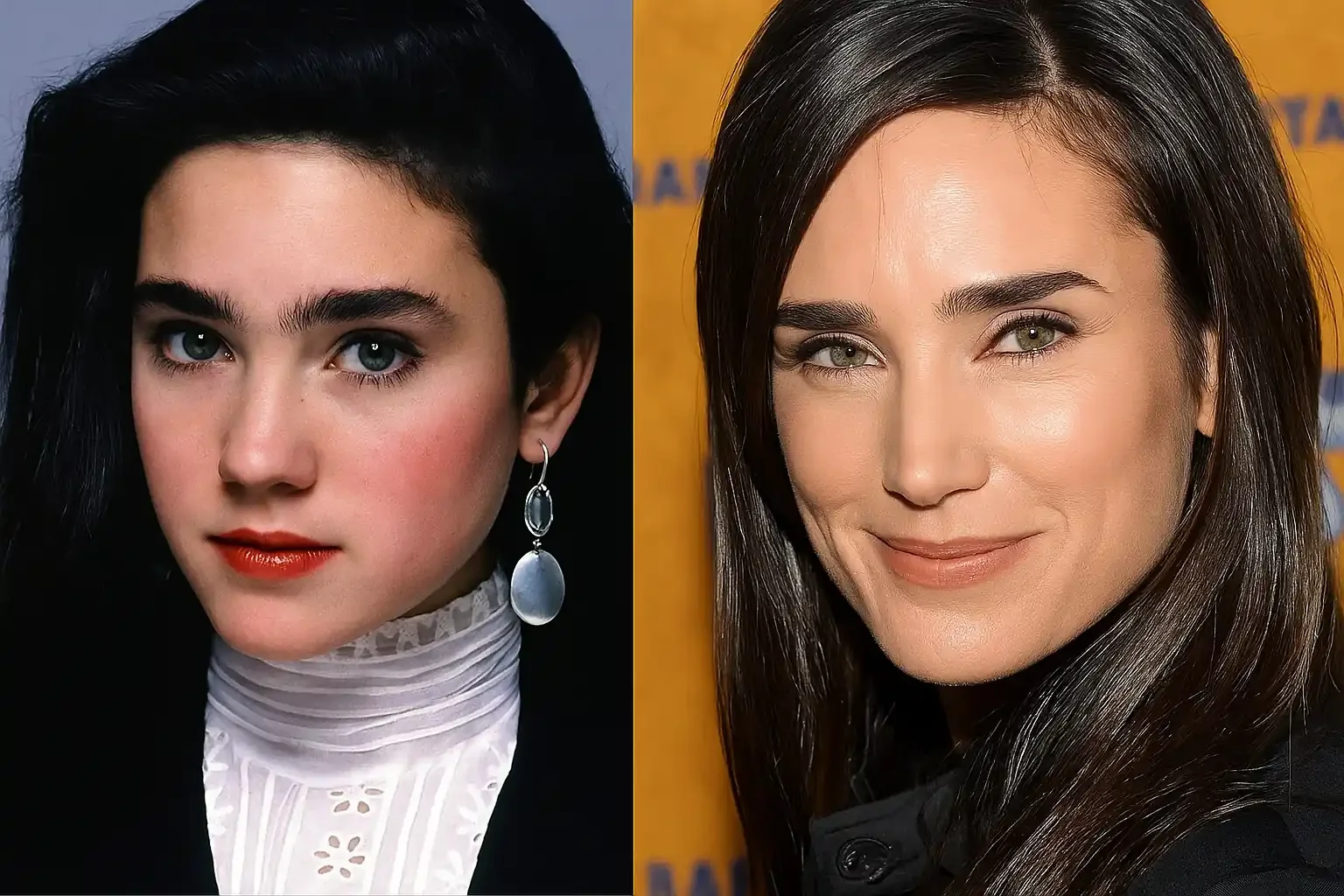
Celebrity photos can show what a subtle eyelid change looks like, but they usually cannot prove that a specific person had upper blepharoplasty. Lighting, makeup, expression, brow position, camera angle, editing, aging and other treatments can all change the appearance of the upper eye area. If you are using before-and-after photos to decide whether you want upper eyelid surgery, the useful question is not “Which celebrity had it?” but “Are these photographs standardized enough to show what surgery actually changed?”
Key Takeaways
- Do not infer a celebrity's surgical history from photographs unless the procedure has been reliably confirmed. Similar-looking eyelid changes can have several causes.
- Before-and-after photos are only useful when lighting, angle, facial expression, camera distance and head position are reasonably consistent.
- For upper blepharoplasty, look at the eyebrow and eyelid margin as well as the skin fold. A lifted brow or different forehead expression can make the upper lid appear dramatically different without eyelid surgery.
- A strong result usually preserves natural eye shape and some normal upper-lid fullness rather than simply creating the largest possible visible crease.
- Use celebrity images for broad aesthetic reference only. Use standardized, consented patient photographs from the surgeon you are considering to evaluate that surgeon's actual work.
What can celebrity upper blepharoplasty photos actually teach you?
They can help you identify what kinds of upper-eye changes you find attractive, but they are weak evidence of what procedure caused those changes. Unless a procedure has been reliably disclosed, photographs alone cannot establish a person's private medical history or confirm that upper blepharoplasty was performed.
The more useful approach is to treat celebrity imagery as a lesson in photographic interpretation. The American Society of Plastic Surgeons warns that before-and-after imagery can be affected by lighting, pose and selection bias, and recommends examining the source rather than taking an image at face value. ASPS guidance on evaluating before-and-after photos is especially relevant when social-media images are being used to infer a cosmetic procedure.
If you are considering surgery, review the Adonis upper eyelid surgery page for consented patient results and procedure information. Compare those clinical photos using the same standards below: lighting, angle, brow position, eyelid margin, retained fullness, asymmetry and postoperative timing.
| Photo check | What to compare | Why it matters |
|---|---|---|
| 1. Is the procedure confirmed? | Reliable disclosure or clinical source rather than internet speculation | A photo cannot establish that upper blepharoplasty occurred |
| 2. Are the photos standardized? | Lighting, angle, camera distance, head position and expression | Small differences can exaggerate or hide eyelid changes |
| 3. Is the brow in the same position? | Brow height and forehead activation | A raised brow exposes more upper lid and can mimic a surgical result |
| 4. Is the eyelid margin unchanged? | Position of the upper lid relative to the pupil | Blepharoplasty and ptosis treatment solve different problems |
| 5. Was fullness preserved? | Crease definition, hollowing and upper-lid volume | More visible lid is not automatically a better result |
| 6. Is natural asymmetry still visible? | Right-left differences in brow, crease and lid position | Perfectly matched eyes are not a realistic benchmark |
| 7. When was the “after” photo taken? | Early healing versus mature result | Swelling, scar maturation and brow relaxation can change the appearance for months |
1. First ask whether you actually know surgery happened
The most important rule is also the simplest. An attractive photograph is not a medical record. A person may look different because of age, weight change, makeup, brow grooming, lighting, photography, neuromodulators, skin treatment, another eyelid procedure or surgery that has never been publicly confirmed.
That makes retrospective celebrity diagnosis unreliable. Even if two photographs genuinely show more visible upper eyelid, they do not tell you whether skin was removed, the eyebrow was positioned differently, true ptosis was treated, or the image was captured under different conditions.
Named celebrity examples are therefore poor clinical evidence unless the procedure has been reliably disclosed. A more useful approach is to use public images only as broad aesthetic references while relying on standardized, consented clinical photographs to evaluate surgical results.
2. Compare the photography before you compare the eyelids
Standardization is fundamental to aesthetic-surgery photography. A study examining aesthetic-surgery photography on Instagram found systematic postoperative bias involving background, viewing angle, pose, position and clothing. The study of before-and-after photography bias on social media reinforces the same point made by ASPS: differences in how the “before” and “after” images are captured can make a postoperative result appear more favorable even when the surgical change itself is smaller.
For eyelids, check whether both images use similar:
- camera height and distance
- head tilt
- eye direction
- lighting direction
- makeup
- eyebrow grooming
- forehead expression
- facial expression
A bright overhead light in one image and soft frontal lighting in another can change the apparent depth of the eyelid crease and the shadow under the brow.
3. Check the eyebrow before concluding that the eyelid changed
This is particularly important in upper blepharoplasty. The eyebrow and upper lid are visually connected. Raising the eyebrow exposes more eyelid platform and can make hooding appear reduced even without removing skin.
A peer-reviewed upper blepharoplasty review emphasizes documenting brow position, ptosis, eyelid closure, crease position, fat distribution and asymmetry before surgery. The upper blepharoplasty evaluation review also notes that patients with heavy upper lids may unconsciously elevate the brows to compensate.
When comparing photos, look at the brow relative to the orbital rim and forehead. If the “after” brow is higher, more arched or held differently, part of the increased lid show may come from brow position rather than eyelid skin removal.
The Adonis guide on hooded eyes and upper blepharoplasty candidacy explains why eyelid skin, brow descent and true ptosis should be separated before choosing surgery.
4. Look at the eyelid margin, not only the skin fold
Upper blepharoplasty removes selected skin and, when appropriate, conservatively addresses fat. It does not automatically lift a drooping eyelid margin. True eyelid ptosis involves the mechanism that elevates the lid itself and may require a different operation.
This distinction is easy to miss in celebrity photographs because viewers often focus on how much crease is visible. Instead, compare where the upper eyelid margin sits relative to the pupil. If that position changed substantially, ordinary skin-only blepharoplasty may not explain the entire difference.
This is another reason a photograph cannot reliably tell you which operation someone had. Different procedures around the same anatomical region can create superficially similar changes.
5. A natural result is not simply “more eyelid showing”
Restraint in upper blepharoplasty is best judged anatomically: the goal is to reduce unwanted hooding while preserving normal eye shape, appropriate upper-lid fullness and comfortable eyelid closure.
Look for a cleaner crease and reduced redundant skin while the original eye still looks recognizable. The upper lid should not automatically appear emptied or skeletonized. Some natural fullness is normal, and aggressive fat removal can make the eye look hollow.
Also look at eyelid closure and crease shape. A very high or excessively exposed crease may look dramatic in a photograph without being the most natural result for that anatomy. The goal of surgery is not to maximize the amount of visible lid.
The Adonis article on choosing an upper blepharoplasty surgeon explains why tissue preservation and diagnosis are more meaningful than vague claims about artistry.
6. Do not use perfect symmetry as the benchmark
Normal faces are asymmetric. In a study of 100 patients evaluated for upper blepharoplasty, 93% had at least one measured eyelid or brow asymmetry greater than 1 mm, and 75% had at least one measurement greater than 2 mm. The study of brow and eyelid asymmetry in blepharoplasty candidates supports discussing pre-existing asymmetry before surgery rather than promising mirror-image eyes.
A before-and-after result should therefore be judged on whether the overall imbalance improved when that was part of the goal, not whether every crease and brow sits at precisely the same height.
Celebrity photographs are especially poor for evaluating millimeter-level symmetry because head tilt, lens distortion and expression can create apparent differences between sides.
7. Ask when the postoperative photograph was taken
An early after photo and a mature after photo answer different questions. Swelling can temporarily make a crease look high, thick or unusually defined. As swelling resolves, the eyelid softens and the brow may also settle as forehead compensation changes.
Scar maturation continues beyond the period when someone looks socially recovered. The Adonis upper blepharoplasty scar-healing timeline explains why incision color and texture can continue changing for months.
When a gallery does not state the postoperative timing, ask. A six-day image, six-week image and six-month image should not be interpreted as equivalent evidence of the final result.
What should you look for in a surgeon's real before-and-after gallery?
- Several patients rather than one showcase result
- Photos taken under reasonably consistent lighting and camera conditions
- Front-facing images with comparable brow and forehead expression
- Healed results with postoperative timing stated when possible
- Patients with anatomy reasonably similar to the problem you want treated
- Preservation of natural eye shape and appropriate upper-lid fullness
- Recognition of pre-existing asymmetry rather than impossible promises of perfect symmetry
- Visible evidence that the surgeon treats different anatomies differently rather than producing one standardized crease
- Patient consent and a clearly identified clinical source
Honest limitation: even a perfectly standardized before-and-after gallery cannot tell you whether you are a candidate or predict your individual result. Brow position, true ptosis, dry eye, skin amount, fat distribution, eyelid closure, asymmetry, prior surgery and healing all change the plan. Photos are evidence of prior cases, not a guarantee of what your eyelids will do.
Frequently Asked Questions
Can you tell if a celebrity had upper blepharoplasty from photos?
Not reliably. Photographs can show that the upper eye area looks different, but they cannot establish the cause. Brow position, makeup, lighting, aging, weight change, nonsurgical treatment, ptosis treatment and image editing can all affect appearance. Unless the procedure has been reliably disclosed, calling a celebrity's change “upper blepharoplasty” is speculation.
What should upper blepharoplasty before-and-after photos show?
Useful photos should show comparable lighting, angle, camera distance, head position and facial expression. For the result itself, look for reduced redundant skin, a cleaner visible crease, preservation of natural eye shape and fullness, and reasonable handling of asymmetry. The postoperative timing should also be clear enough to distinguish early swelling from a mature result.
Can lighting make upper blepharoplasty results look better?
Yes. Lighting changes shadows beneath the brow and within the eyelid crease. Different brightness, direction or contrast can make hooding and crease depth appear better or worse. Research on aesthetic-surgery photography has shown that nonstandardized photographic conditions can materially bias how postoperative outcomes are perceived.
Why should I compare brow position in eyelid before-and-after photos?
A higher eyebrow exposes more upper eyelid and can reduce the appearance of hooding even without additional skin removal. Patients can also recruit the forehead muscles differently between photographs. Comparing brow height and expression helps separate a true eyelid change from a photographic or muscular change.
Should both eyelids look perfectly symmetrical after blepharoplasty?
No. Some asymmetry is normal before surgery and usually remains afterward. A study of upper-blepharoplasty candidates found measurable brow or eyelid asymmetry in the large majority of patients. Surgery may improve a meaningful imbalance, but perfect millimeter-level symmetry should not be the benchmark for a natural result.
Are celebrity before-and-after photos useful when choosing a surgeon?
Only as a broad aesthetic reference. They can help you describe whether you prefer a conservative or more visible change, but they do not demonstrate the work of the surgeon you are considering unless they are verified clinical cases from that practice. Use the surgeon's own standardized, consented patient gallery to evaluate actual surgical work.
Use photos to ask better questions, not to copy someone else's eyes
A consultation should determine what is causing your upper-lid concern and show how that anatomy compares with relevant prior cases. The surgical team at Adonis Plastic Surgery can explain what upper blepharoplasty can realistically change, what should be preserved and what a meaningful before-and-after comparison looks like for your own anatomy.
Request a ConsultationReferences
- American Society of Plastic Surgeons, Can You Trust Before and After Photos?
- Aesthetic Surgery Before-and-After Photography Bias on Instagram
- Upper Eyelid Blepharoplasty: Evaluation, Treatment, and Complication Minimization
- Eyelid and Brow Asymmetry in Patients Evaluated for Upper Lid Blepharoplasty
Adonis Plastic Surgery is located at 2557 Pacific Coast Highway in Torrance, California, serving patients across the South Bay including Redondo Beach, Palos Verdes, Manhattan Beach, El Segundo, San Pedro, Long Beach, Carson and Gardena.